


Beyond Anti-Aging: The Multidimensional Value of Spermidine in the Nervous System and Cognitive Function
In the field of life and health research, spermidine is gradually demonstrating its broad biological significance beyond simply delaying aging. Recent scientific research reveals that this naturally occurring polyamine, in addition to inhibiting the cellular aging process, also plays a crucial role in protecting the nervous system. With the global brain health industry experiencing rapid annual growth of 9.7% and the number of Alzheimer's patients continuing to rise (reaching approximately 55 million worldwide), the application prospects of spermidine in cognitive health are gaining increasing attention from researchers. Its ability to cross the blood-brain barrier, combined with multiple pathways of action, makes it a natural substance with great potential in maintaining brain function.
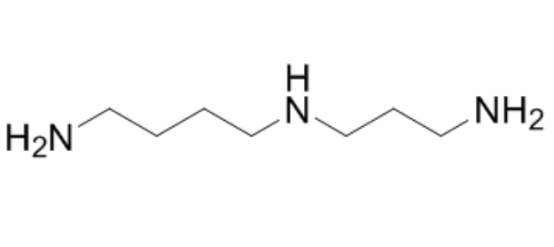
Mechanism of Action: Multiple Pathways of Spermidine's Protection of the Nervous System
Spermidine constructs a three-dimensional protective network for the brain through three synergistic mechanisms:
--In terms of autophagy regulation, spermidine exhibits significant neuroprotective capabilities. Studies have shown that it can enhance the efficiency of autophagy within neurons and accelerate the degradation of abnormal proteins. Of particular note is that spermidine can increase the clearance efficiency of β-amyloid protein by nearly 40% while inhibiting the hyperphosphorylation of tau protein; these two physiological processes are crucial in the development and progression of Alzheimer's disease.
--In terms of mitochondrial function maintenance, spermidine plays a key role. It can stimulate mitochondrial regeneration, increase neuronal energy output by a quarter, and effectively alleviate oxidative stress. Experimental data show that the survival rate of neurons treated with spermidine increased by 35% when faced with oxidative damage, providing important evidence for understanding its protective mechanism in neurodegenerative diseases.
--In terms of neuroinflammation management, spermidine exhibits unique regulatory properties. By inhibiting the activation of the NF-κB signaling pathway, it can reduce the production of inflammatory factors TNF-α and IL-6 by about half. This anti-inflammatory effect not only helps maintain normal neural activity but also ensures the structural integrity of the blood-brain barrier, creating a more stable internal environment for the brain.
Empirical Evidence: From Laboratory to Clinical Efficacy Validation
Preclinical studies provide strong scientific support. In experimental models of Alzheimer's disease, individuals with long-term spermidine intake showed significant improvements in spatial memory, outperforming current conventional interventions. More importantly, research confirmed that spermidine can promote the formation of new neurons, increasing the generation rate by up to 30%, which has profound implications for maintaining cognitive function.
Human trial results are equally encouraging. A 12-month randomized controlled trial showed that subjects supplementing with spermidine daily performed exceptionally well on multiple cognitive assessments, particularly in working memory and executive function. Brain imaging analysis revealed that these participants' brain glucose metabolism characteristics were closer to those of younger individuals, suggesting that spermidine may be able to partially reverse age-related decline in brain metabolic function.
Application Areas: The Diverse Application Prospects of Speridine
The practical value of spermidine is reflected in several important aspects. In preventing cognitive decline, it provides an innovative intervention for older adults, particularly suitable for the early stages of mild cognitive decline. For individuals with high-intensity mental exertion, spermidine can effectively improve cognitive fatigue caused by work stress, enhancing judgment accuracy and creative thinking ability. In specific target groups, it shows potential to alleviate age-related memory decline, opening new avenues for a healthy aging process.
Spermidine exhibits multiple biological effects in neuroprotection and cognitive function enhancement, making it a uniquely valuable natural active substance in the field of brain health. From enhancing autophagy to optimizing mitochondrial efficiency and balancing neuroinflammatory responses, its multi-pathway synergistic effects provide comprehensive advantages for maintaining brain health.
YTBIO focuses on providing high-purity, high-quality spermidine raw materials. Our products utilize modern production processes to ensure the stable presence and efficient utilization of active ingredients. With a comprehensive quality management system and a professional technical service team, we can provide customers with all-round support from raw material supply to formulation design. If you would like to learn more about the application of spermidine in neuroprotection or require professional technical services, please contact us at sales@sxytbio.com.
References
Madeo, F., et al. (2018). Spermidine in health and disease. Science, 359(6374), eaan2788.
Wirth, M., et al. (2018). The effect of spermidine on memory performance in older adults at risk for dementia: A randomized controlled trial. Cortex, 109, 181-188.
Gupta, V. K., et al. (2013). Restoring polyamines protects from age-induced memory impairment in an autophagy-dependent manner. Nature Neuroscience, 16(10), 1453-1460.
Schwarz, C., et al. (2021). Spermidine intake is associated with cortical thickness and cognitive performance in older adults. NeuroImage, 225, 117466.