
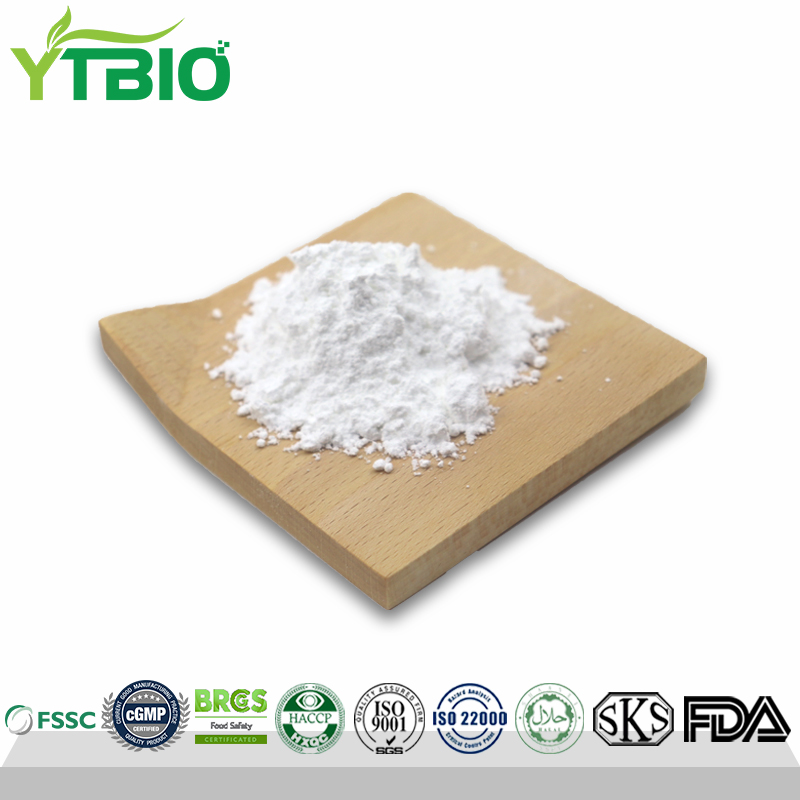
98% Neomycin Sulfate Powder Veterinary Grade
What is neomycin sulfate?
Neomycin sulfate belongs to the aminoglycoside class of antibiotics. Its antimicrobial spectrum primarily targets Gram-negative bacteria, but it is ineffective against anaerobic bacteria. It is not absorbed orally. It is primarily used for infections caused by sensitive intestinal bacteria. It has a strong bactericidal effect against dormant bacteria, making it a dormant bactericidal drug. It is commonly used to treat bacterial infections in animals.
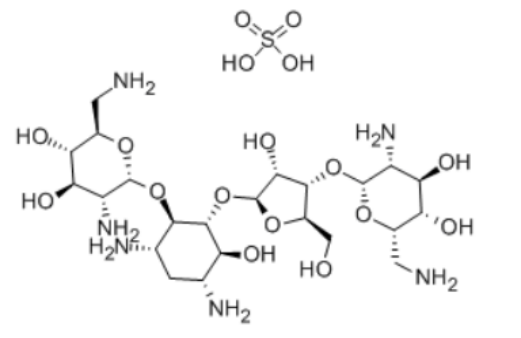
Under normal circumstances, the intact gastrointestinal tract absorbs very little orally administered neomycin sulfate (generally no more than 3%). However, in the presence of gastrointestinal ulcers, mucosal detachment, or inflammation, the gastrointestinal tract absorbs a considerable amount of neomycin sulfate. Neomycin sulfate that enters the body can be distributed to organs such as the heart, liver, spleen, lungs, and kidneys, as well as some tissues. However, the oral dose absorbed by a single agent is far below the effective therapeutic dose, which is one reason why neomycin sulfate is often used in combination with other antibiotics in clinical practice. Furthermore, with increasing animal husbandry density, the incidence of various animal gastroenteritis is increasing, and the use of neomycin sulfate is gaining increasing attention and importance.
Characteristics of Neomycin Sulfate
① Narrow Antimicrobial Spectrum
It primarily has excellent antimicrobial activity against Gram-negative bacteria, with some effectiveness against a few Gram-positive bacteria, such as Staphylococcus aureus. However, it is largely ineffective against Pseudomonas aeruginosa, Gram-positive bacteria (excluding Staphylococcus aureus), Rickettsia, anaerobic bacteria, and fungi.
② High Intestinal Concentration
Neomycin sulfate reaches high concentrations in the intestine after oral administration, enabling it to directly target pathogenic bacteria within the intestine, offering advantages in preventing and treating intestinal infections in animals.
③ Slow Development of Resistance
Bacteria develop resistance to neomycin sulfate relatively slowly, which to some extent ensures the drug's long-term effectiveness. However, long-term, improper use may accelerate the development of resistance.
④ Relatively Low Toxicity
Compared to some other antibiotics, neomycin sulfate, when used correctly, has relatively low toxicity to aquatic animals. However, high doses or prolonged use may still cause some damage to organs such as the liver and kidneys.
⑤ Interactions with other drugs
Neomycin sulfate may interact with some drugs when used in combination. For example, combining it with alkaline drugs can enhance antibacterial efficacy, but this also increases toxicity.
What are the advantages of neomycin sulfate?
No drug residue
Neomycin sulfate is the preferred intestinal drug for achieving antibiotic-free farming. For livestock and poultry treatment, the withdrawal period is only five days, and even after five days, there is virtually no drug residue in the muscles (considered antibiotic-free).
High efficacy
It is highly effective and economical in treating various intestinal diseases. This is primarily due to its "high efficacy" achieved through scientific and effective use and rational combination, as well as its relatively low cost. It is a must-have for farms in today's market.
Strong antibacterial properties
Compared to other antibacterial drugs, it exhibits significant antibacterial effects in treating bacterial intestinal diseases.


Neomycin sulfate exerts its antibacterial effect by first entering bacterial cells before binding to the 30S ribosomal subunit, thereby inhibiting bacterial protein synthesis and achieving a bactericidal effect. In veterinary clinical practice, neomycin sulfate and amoxicillin are a classic combination. This is because amoxicillin exerts its antibacterial effect by irreversibly destroying the bacterial cell wall, resulting in rapid bactericidal activity. This synergistic effect significantly enhances the antibacterial efficacy of either neomycin sulfate or amoxicillin alone, making the combination of neomycin sulfate and amoxicillin a commonly used clinical regimen.
① Improves Intestinal Diseases
This is the primary effect of neomycin sulfate in aquaculture and livestock and poultry farming. It is highly effective against intestinal infections caused by Gram-negative bacteria in various animals, such as enteritis in fish, shrimp, crabs, turtles, tortoises, and frogs. It has a significant preventive and therapeutic effect against intestinal diseases caused by Aeromonas, Edwardsiella, and Vibrio. It can improve symptoms such as loss of appetite, abdominal distension, loose stools, and white stools associated with intestinal infections in aquatic animals, restoring normal intestinal digestion and absorption.
② Assists in the treatment of other bacterial diseases
In addition to intestinal diseases, it also has a certain auxiliary effect against several other bacterial diseases in aquatic animals, such as tail rot, vibriosis, and skin rot in fish, and red leg disease and bacterial gill rot in shrimp, crabs, and frogs.
Usage of Neomycin Sulfate
Do not use with cephalosporin antibiotics.
Neomycin sulfate's unique bactericidal mechanism and target of action make it virtually incompatible with common veterinary antibiotics. However, caution is advised regarding the potential for interactions between neomycin sulfate and cephalosporins, requiring separate administration.
For oral administration only, such as in drinking water or feed.
Due to the high toxicity of neomycin sulfate injections, it is generally not administered as an injection. For the treatment of bacterial diseases in animals, it is limited to oral administration, such as in drinking water or feed. This approach is primarily used to treat intestinal diseases such as bacterial enteritis, bacterial diarrhea, and bacterial diarrhoea in livestock caused by the aforementioned sensitive bacteria.
Combination administration is essential for effective efficacy.
Oral neomycin sulfate has been proven effective and safe in livestock and poultry clinics for sixty to seventy years, yet many individuals fail to fully utilize its effectiveness or achieve optimal efficacy. The key issue is that neomycin sulfate veterinary products must be administered in combination, and their efficacy is enhanced when prescribed with two or more medications.
